

Keynote
Using Generative AI in Education: From Research to Policy
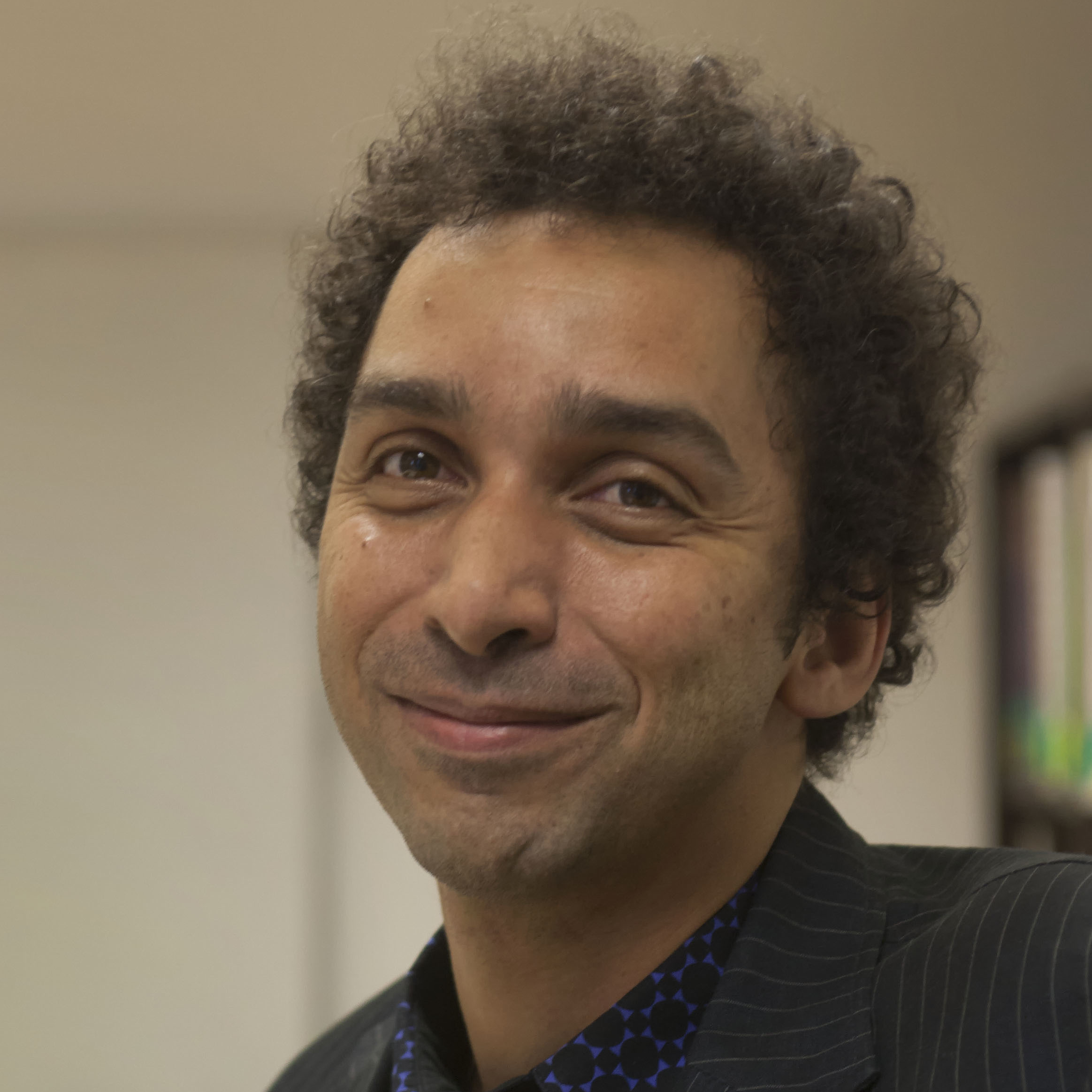
Speaker:
Dr. Stéphan Vincent-Lancrin, Deputy Head of OECD Centre for Educational Research and Innovation and Senior Economist
Date & Time:
09:30 - 10:20 (UTC+8), 16 May 2026 (Saturday)
Venue:
Rayson Huang Theatre, The University of Hong Kong (Map)
Language:
English
Sub-themes:
- Human-AI Collaboration in Teaching and Learning
- Agency in Learning and Teaching with Emerging Technologies
- Theories and Practices of AI Literacy
Facilitator:
Professor Nancy Law, Chair of Learning Sciences and Technology, Faculty of Education, The University of Hong Kong
Abstract
Stéphan will present some of the findings of the OECD Digital Education Outlook 2026: Exploring Effective Uses of Generative AI in Education that provides a mapping of emerging evidence on the use of generative AI (GenAI) for teaching and learning as well as for system and institution administration. He will highlight some of the opportunities and challenges of GenAI to education systems based on the existing research, present some ongoing country initiatives to address the challenges of GenAI, and present a set of Guidelines that has been developed by the OECD as a contribution to the upcoming policy debates.
About the Speaker
Stéphan Vincent-Lancrin is Deputy Head of the Centre for Educational Research and Innovation (CERI) and a Senior Education Economist at the Organisation for Economic Co-operation and Development (OECD), where he leads work on digitalization and AI in education (“Smart data and digital technology in education: AI, learning analytics and beyond”), on education during the covid-19 crisis as well as a large international practice-engaged innovation project in 24 countries on driving change for competency-based curricula (Fostering and Assessing Creativity and Critical Thinking in Education). His work has focused on innovation in education and higher education, looking at how to support innovation-friendly ecosystems in education, how to drive change and adapt to innovation, and studying specific innovations.
His recent reports include the OECD Digital Education Outlook 2021: Pushing the Frontiers with AI, Blockchain and Robots and OECD Digital Education Outlook 2023: Towards an effective digital education ecosystem (2023), Fostering Students’ Creativity and Critical Thinking: What it Means in School (2019), and Measuring Innovation in Education 2023: Tools and Methods for Data-driven Improvement (2023).
He is a Marie Curie Fellow, a 2007 Fulbright New Century Scholar, a 2023-24 residential fellow at Stanford University’s Center for Advanced Study in the Behavioral Sciences (CASBS) and received awards for his work from the US National Association of Assessment Directors and from the International Center for Innovation in Education. He holds a PhD in economics, a master’s in philosophy and a grande école diploma (Ecole Supérieure de Commerce de Paris).
